Being in a car crash can catch you off guard and make you feel anxious. Nobody plans to get into an accident, but it’s crucial to understand the actions to take right after it happens. This handbook offers a look at the steps to follow after a car accident, helping you manage the situation calmly, effectively and in compliance with legal requirements.
Top Rated Insurance Vendors:
Stay Calm and Ensure Safety
The first step after a minor car accident is to remain calm and assess the situation. It’s natural to feel shocked or frustrated, but it’s important to keep your emotions in check. Take a deep breath and focus on ensuring the safety of yourself and others involved.
Check for Injuries
Begin by checking yourself and any passengers for injuries. If anyone is hurt, even if the injuries appear minor, it’s essential to seek medical attention immediately. Call for an ambulance if necessary. Remember that some injuries may not be immediately apparent, so it’s important to err on the side of caution.
Move to a Safe Location
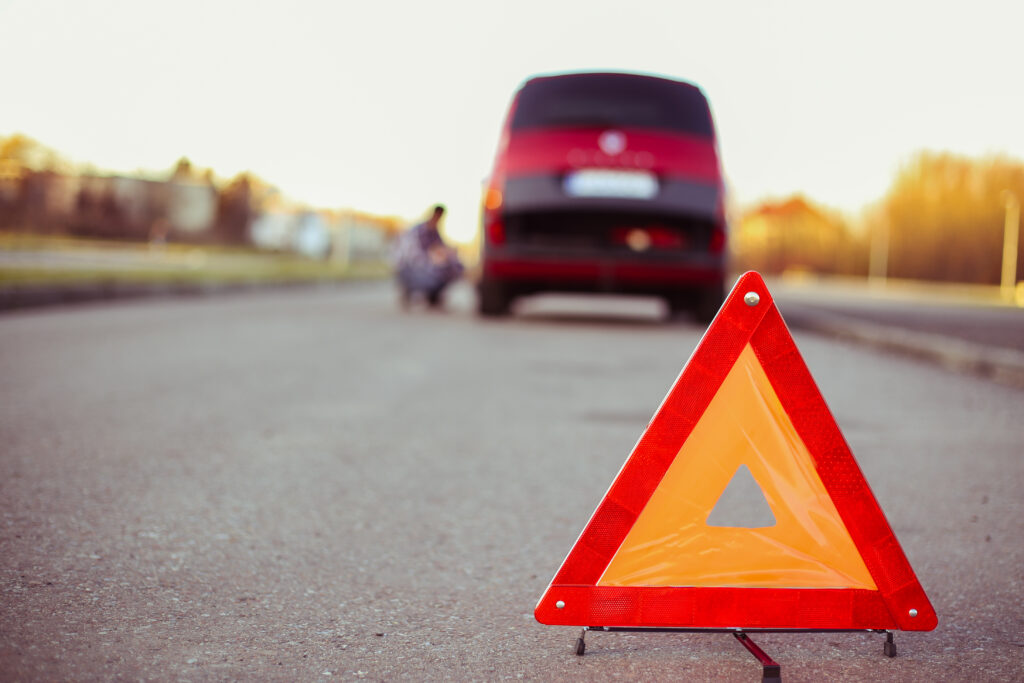
If the accident is minor and your vehicle is drivable, move it to a safe location away from traffic. This will help prevent further accidents and ensure the safety of everyone involved. Turn on your hazard lights to alert other drivers to the presence of your vehicle.
Gather Information and Document the Scene

Once you’ve ensured everyone’s safety, it’s time to gather information and document the scene of the accident. This will provide crucial evidence for insurance claims and legal purposes.
Exchange Information
Exchange contact and insurance information with the other driver(s) involved in the accident. Obtain their full name, phone number, driver’s license number, and insurance company details. Additionally, gather contact information from any witnesses present at the scene. This will be instrumental in establishing the facts of the accident.
Take Photos and Gather Evidence
Use your phone or camera to take photos of the accident scene from different angles. Capture any visible damage to the vehicles involved, street signs, traffic signals, and any other relevant details. These photos will serve as evidence to support your insurance claim and protect your interests in case of disputes. If needed, be prepared to find witness statements and file an incident report in order to aid your potential legal options.
File a Police Report
Sometimes you might need to report an incident to the authorities. Get in touch with the police or the right law enforcement agency to inform them about what happened. Make sure to give them details about the situation. The police report is important as it acts as an official document that can be crucial for insurance claims and any legal actions that may follow.
Contact Your Insurance Provider

After ensuring the immediate safety of everyone involved and gathering the necessary information, it’s crucial to contact your insurance provider. Notify them about the accident and provide them with all the relevant details. Even if the accident is minor and you don’t plan on filing a claim, it’s important to inform your car insurance company about the incident. Coverage for minor damage from a fender bender and for serious vehicle damage can vary, so it’s a good idea to find the right policy for you.
Understand Your Insurance Policy
Review your insurance policy to understand the coverage and benefits you have. Familiarize yourself with the terms and conditions, including any deductible amounts and coverage limits. This will help you navigate the claims process and make informed decisions about filing a claim.
File an Insurance Claim
If you choose to submit an insurance claim, get in touch with your insurance provider and furnish them with all the required details. They will assist you in navigating the claims procedure and might request paperwork like the police report and any photographs you captured at the incident location. Work closely with your insurance adjuster to guarantee an prompt settlement.
Legal Considerations and Next Steps
While minor car accidents can often be resolved through insurance claims, there are legal considerations to keep in mind. Understanding your rights and responsibilities will help protect your interests and ensure a fair outcome.
Consult with a Car Accident Attorney
If you’re unsure about your legal rights or need advice on how to proceed, it’s advisable to consult with a car accident attorney. They can provide guidance tailored to your specific situation and help you navigate the legal process. Many attorneys offer a free consultation to evaluate your case and provide initial advice.
Know the Time Limit for Filing a Claim
Be aware that there may be a time limit for filing a claim with your insurance company. Familiarize yourself with the deadline specified in your policy to ensure you meet all necessary requirements. Failing to file a claim within the specified time frame may result in the denial of your claim.
Consider Seeking Compensation for Injuries
If you’ve been hurt in the accident it’s crucial to think about how you can get compensation. You might be able to claim money for bills, emotional distress and income loss depending on what happened. Talk to a lawyer who handles personal injury cases to find out what you can do legally. Seeking legal advice can help you understand your options following a minor collision.
Conclusion
Knowing what to do after a minor car accident is crucial for protecting your rights and ensuring a smooth resolution. Stay calm, prioritize safety, gather information, and contact your insurance provider. Understanding the legal considerations and seeking appropriate advice will help you navigate the aftermath of a minor car accident with confidence. Remember to always prioritize safety and comply with all legal requirements.
Read Next: Essential Items for Your Car’s Roadside Emergency Kit
2026 Update: State Reporting Deadlines and Claim Tips
Even a fender bender can trigger a legal reporting duty, and the rules vary by state. In California, for example, drivers must file an SR-1 report with the DMV within 10 days if anyone was injured or killed or if property damage was more than $1,000, whether or not police came to the scene. Missing that deadline can lead to a license suspension. Given today’s repair costs, a “minor” bumper and sensor repair can easily pass $1,000, so check your state DMV’s rules after any crash.
Modern cars also make small claims more expensive. Bumpers, mirrors and windshields often house cameras and radar for driver-assistance systems, and these usually need recalibration after a repair. Ask the shop to confirm that recalibration was done and include it in the estimate you send your insurer.
Should I file a claim for a small accident?
If another driver may be at fault or anyone could be hurt, notify your insurer promptly; most policies require it. If you alone damaged your own car, compare the repair cost with your deductible and the possible rate increase before filing.